Piaggio P.111
-
The Piaggio P.111 was an Italian high-altitude research aircraft designed and built by Piaggio for the Regia Aeronautica (Italian Royal Air Force).
The P.111 - an experimental aircraft with a pressurized cockpit, it was an aerodynamically clean twin-engine low-wing aircraft of an all-metal structure (only the steering surfaces had a linen covering on a metal frame) with a retractable landing gear with a tail wheel. The leading edge of the aircraft wing closer to the tips was equipped with fixed slotted slats.
The aircraft was powered by the new Piaggio P.XII RC Tornado 18-cylinder two-row radial air-cooled engines in a special high-altitude version 100 / 2V with two-stage centrifugal superchargers, which allowed to maintain the power of 1000 hp. (735 kW) up to an altitude of 10,000 m. The engines rotated three-bladed propellers of variable pitch Piaggio P.4003.
The almost cylindrical sealed cabin was riveted from thick duralumin sheets (the joints were caulked); it had narrow laminated glass windows and a round entrance hatch on the left side. The cockpit housed a crew of three. The seats of the two pilots (the right one also served as a navigator and radio operator) were located side by side, and in the depths of the cockpit was the seat of an operator technician who monitored the instrumentation.
A small-displacement gasoline engine with a piston compressor was installed in the nose of the aircraft to pump air into the cockpit. The pressurized cockpit was equipped with a water and carbon dioxide trap and was electrically heated, and the crew had oxygen cylinders and breathing masks for an emergency. The aircraft was also equipped with compressed air cylinders for emergency pressurization.
The high-altitude bomber was never created, nor was the passenger R.108S built; on the basis of the project of the latter, the military transport P.108T was developed, produced in a small series, but it did not have a pressurized cabin.
The prototype P.111, which received the military register number M.M.465, in addition to the main research program, was also involved in testing a high-altitude version of the Piaggio P.XI RC 60/72 14-cylinder radial two-row engines, less powerful than the P.XII. In total, before the military and economic collapse of the country, it managed to perform 110 test flights. At the beginning of 1943, the prototype was removed from the Air Force lists and returned to the manufacturing company, which also did not find use for it and in the spring of the same year was scrapped.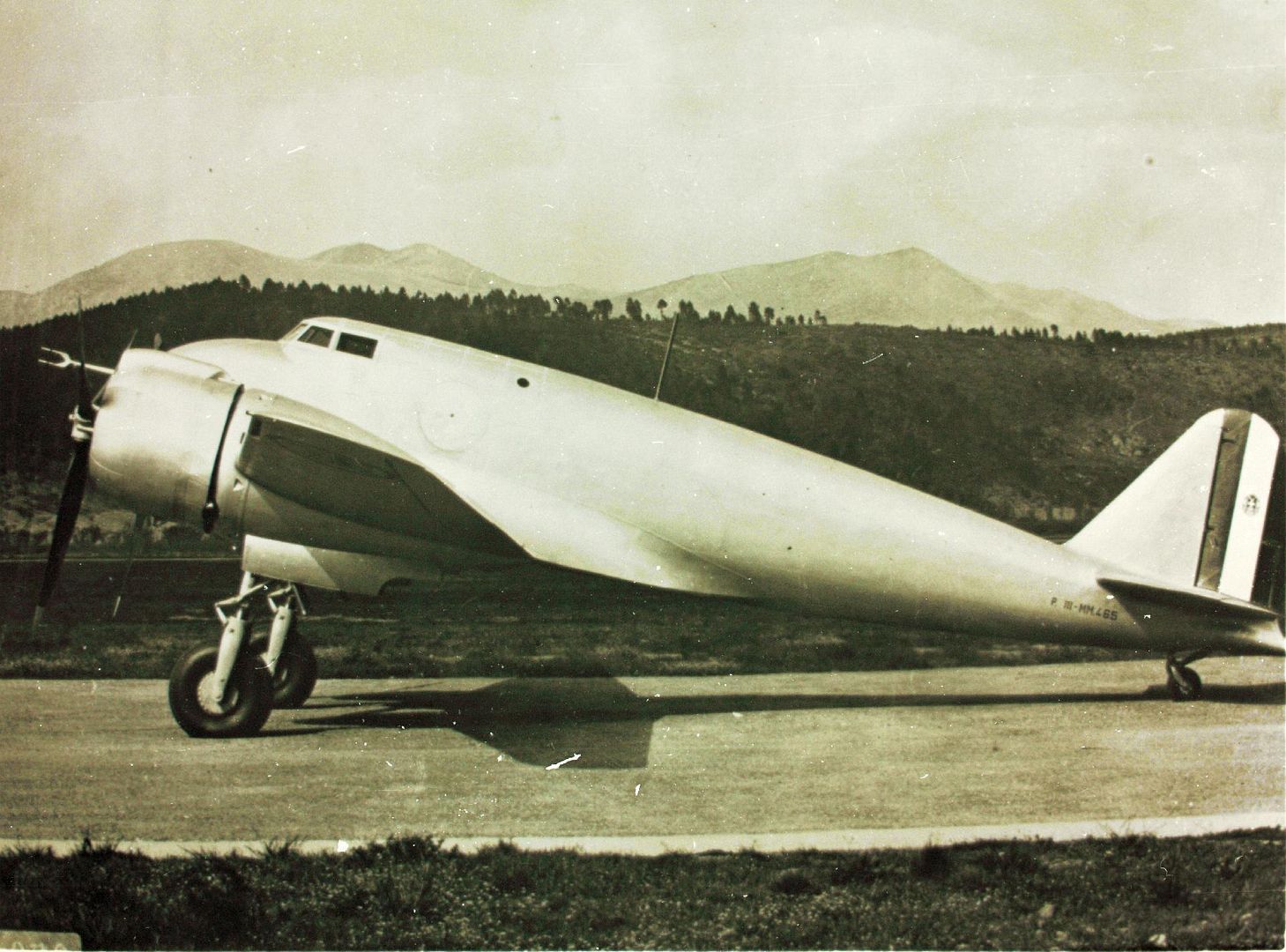


General characteristics
Crew: three
Length: 12.4 m (40 ft 8.125 in)
Wingspan: 17.30 m (56 ft 9 in)
Height: 3.91 m (12 ft 10 in)
Wing area: 40 m2 (430 sq ft)
Empty weight: 5,239 kg (11,550 lb)
Gross weight: 7,574 kg (16,698 lb)
Max takeoff weight: 7,590 kg (16,733 lb)
Powerplant: 2 × Piaggio P.XII R.C.100/2v 18-cylinder air-cooled radial piston engines, 750 kW (1,000 hp) each
Performance
Maximum speed: 575 km/h (357 mph, 310 kn) at 10,000 m (33,000 ft)
Cruise speed: 449 km/h (279 mph, 242 kn)
Range: 1,659 km (1,031 mi, 896 nmi)
Service ceiling: 12,000 m (39,400 ft)